Surface reset
Skim coating for one continuous plane
Thin, full-surface coats that erase texture, joint ridges and old patch outlines — the route to a genuinely flat modern wall.
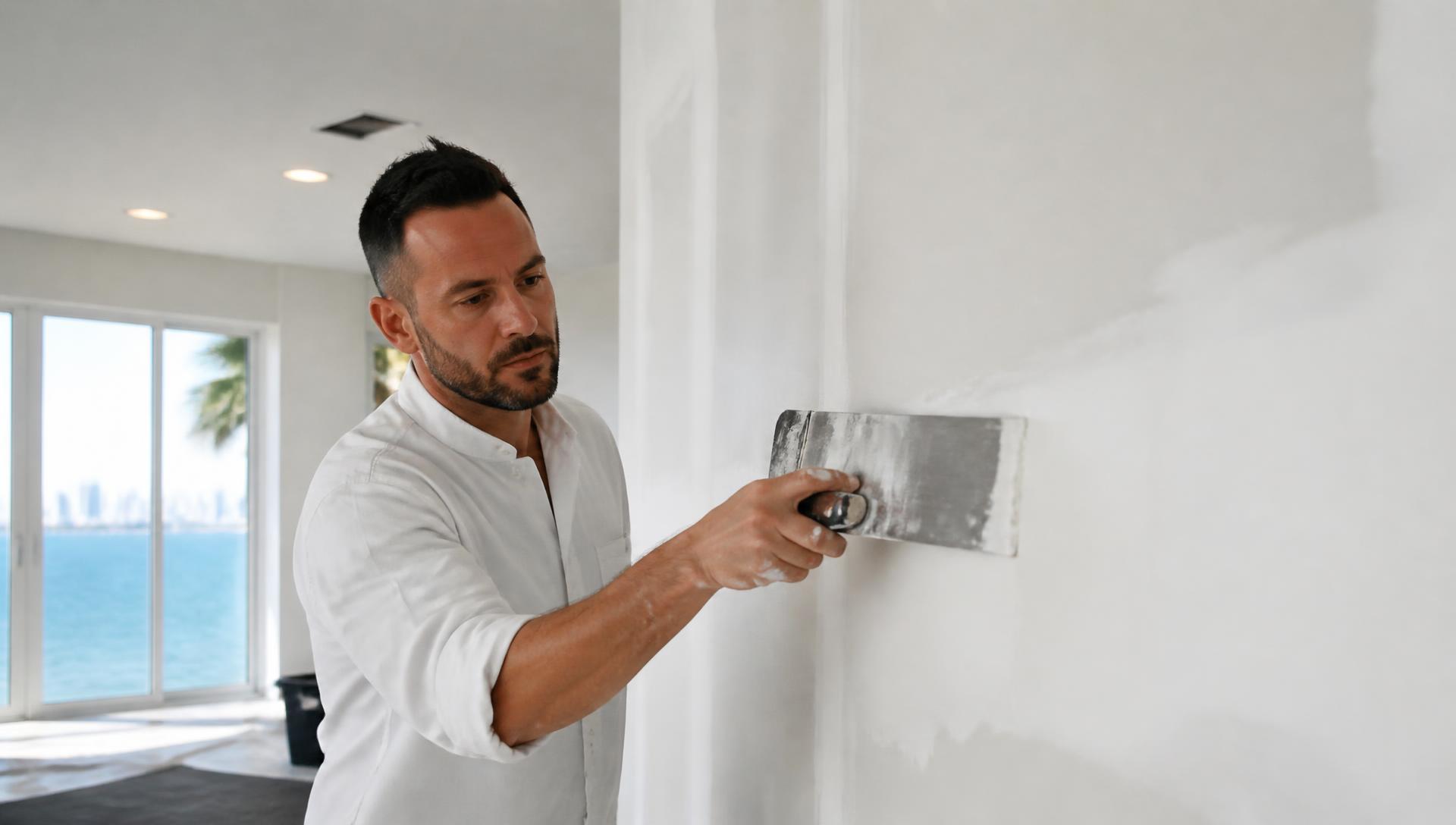
What this covers
Scope of the work
Texture removal
Existing orange peel or knockdown flattened out.
Ridge control
Joint humps and fastener dimples leveled.
Patch erasure
Old repair outlines absorbed into the new surface.
Whole rooms
Walls, ceilings, or a single feature wall.
Skim layers
Prime
Bond coat over the existing surface.
First skim
Thin coat pulled tight across the plane.
Second skim
Cross-direction coat to fill remaining lows.
Level sand
Sand under raking light to find hollows.
Dust & prep
Full dust removal before primer.
Diagram is a simplified concept, not a specification.
Sequence
How the repair runs
- 01
Protect
Mask floors, trim, and openings; set dust control.
- 02
Prep
Knock down high spots and prime as needed.
- 03
Skim
Two or more thin coats across the full surface.
- 04
Sand
Level-sand, dust, and leave paint-ready.
Photo gallery
Related concept visuals
Labeled illustrations of the condition change this work targets. Concept visuals only — not completed customer projects.
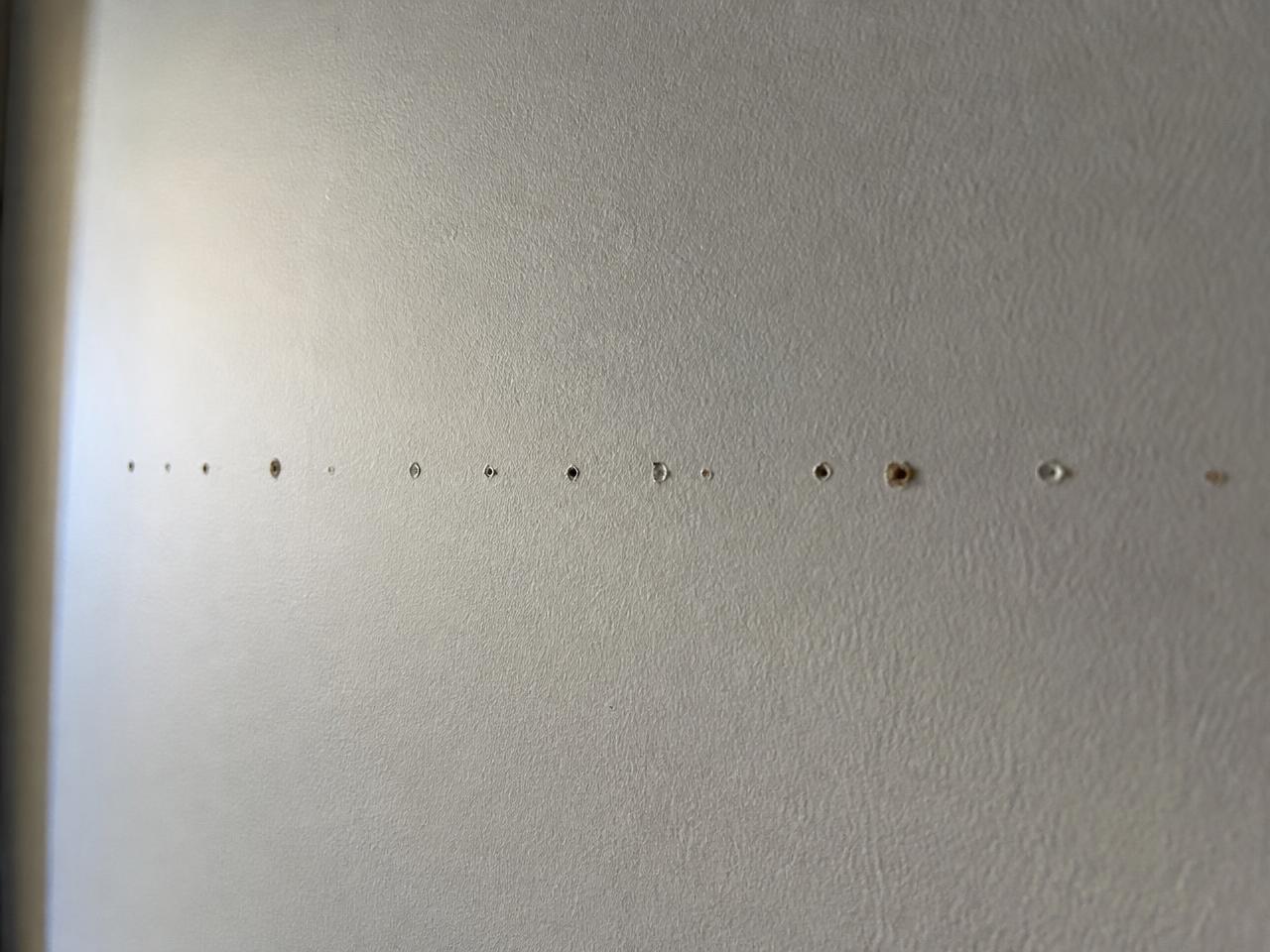 Before
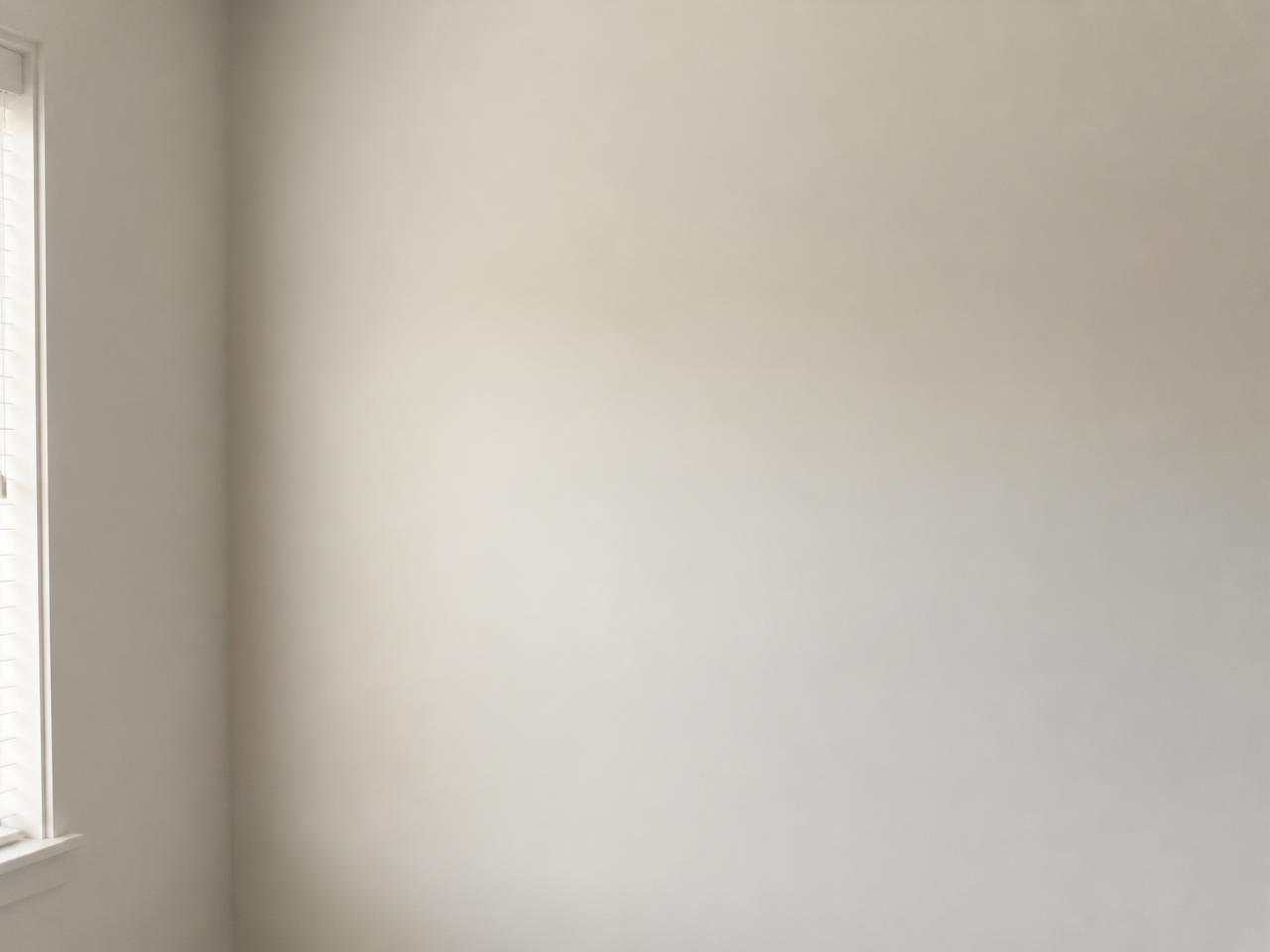 After
After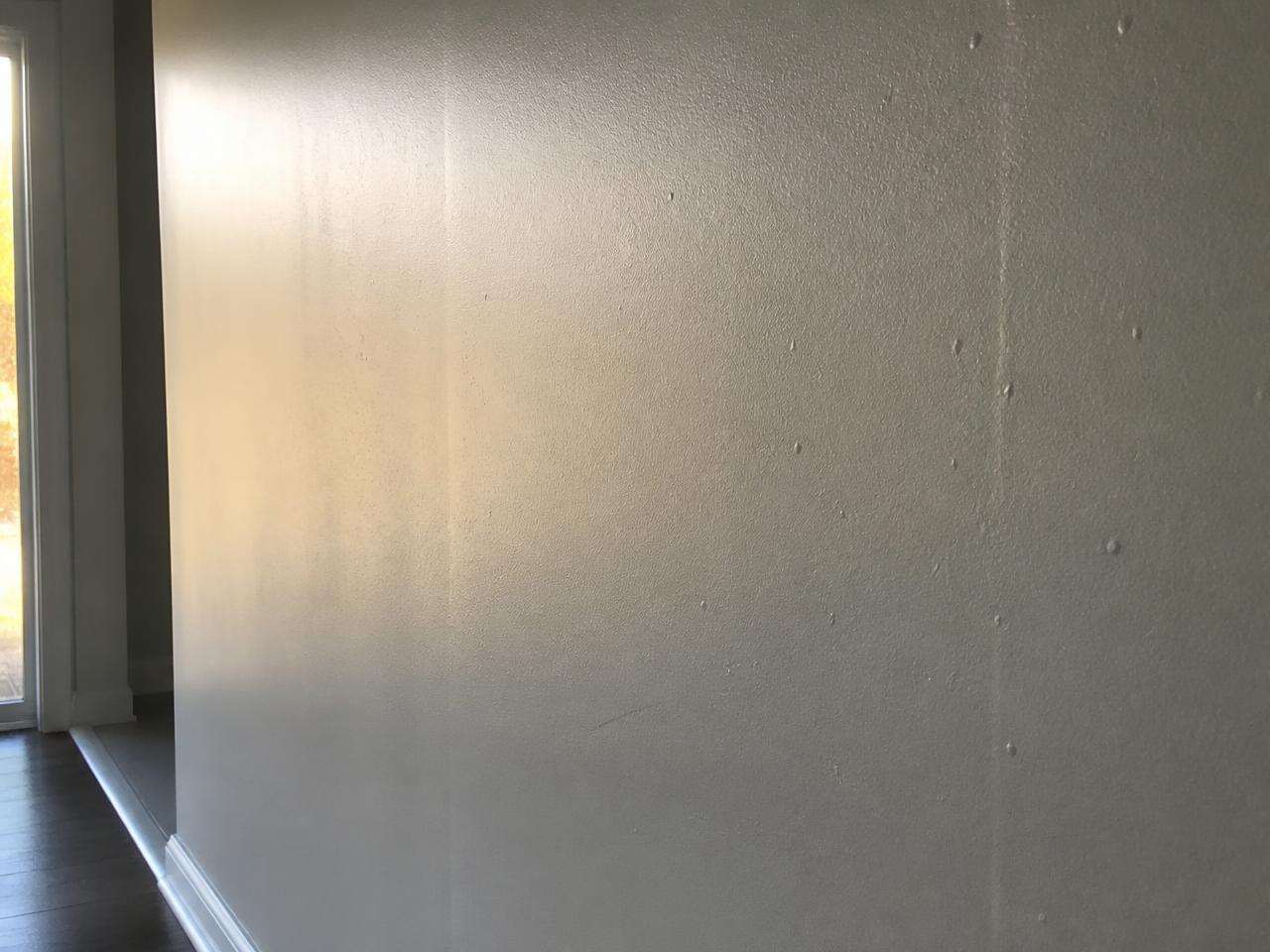 Before
 After
AfterQuestions
Frequently asked
- What does skim coating actually do?
- It covers an entire surface with thin coats of compound, erasing texture, joint ridges and old patch outlines so the wall reads as one continuous plane.
- Is skim coating better than patching?
- They solve different problems. Patching fixes damage; skim coating resets the whole surface when texture removal or a smooth modern finish is the goal.
- How smooth is the result?
- The target is a level-5-style smooth surface. Wall condition, lighting, and paint sheen all influence the final read.
Ready to get it patched?
Describe the damage in the Assistant and it will handle estimates and scheduling. Direct calls are welcome too.
Serving Miami-Dade County, Florida